

The Postscript is a podcast and YouTube series that invites listeners into in-depth theological and ministry conversations with pastors, Bible scholars, missionaries, and professors.

Host of the Postscript is Brandon Briscoe, provost of the Living Faith Bible Institute and associate pastor at Midtown Baptist Temple
New episodes of the Postscript release weekly
Episode Finder:
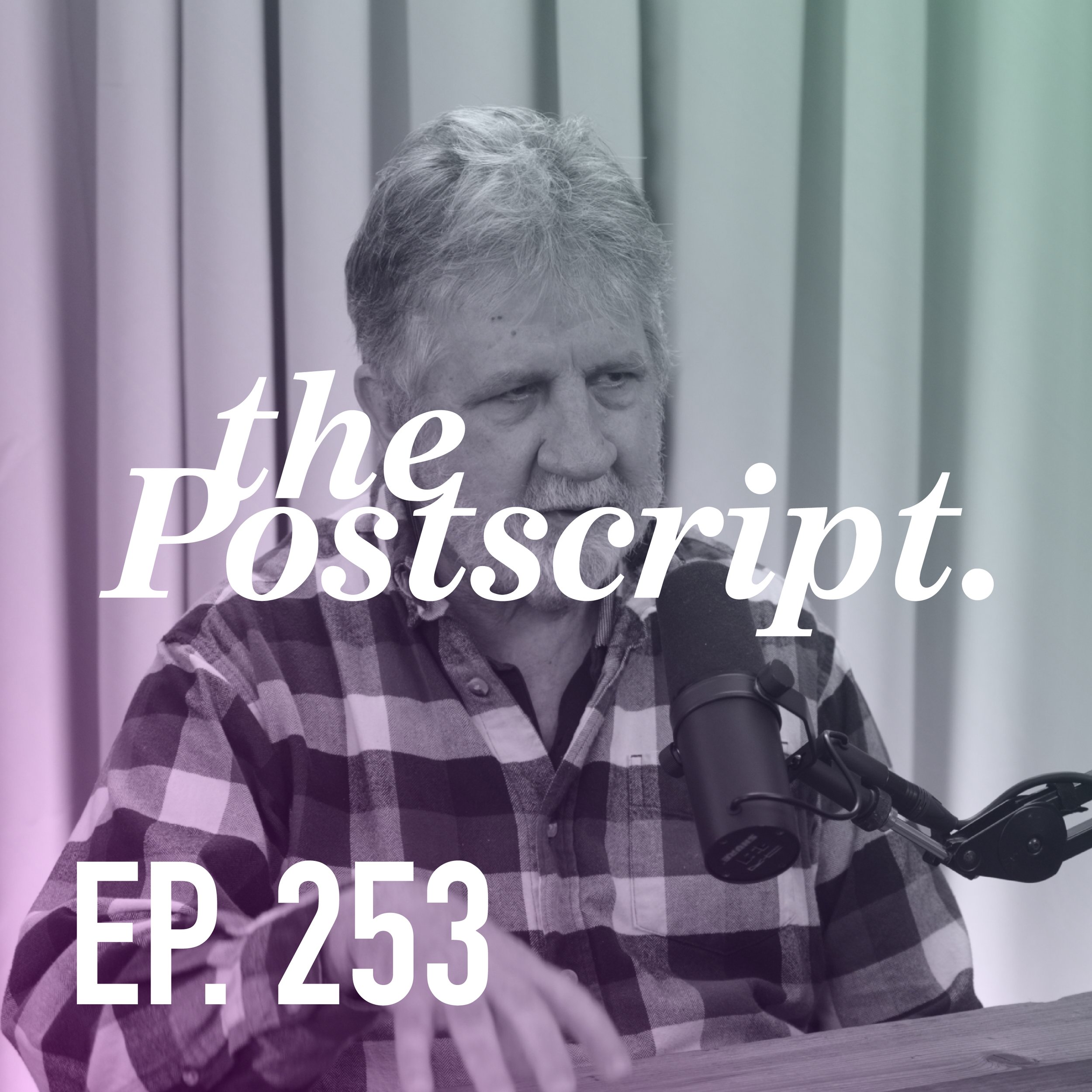
Episode 253: The Walls, Gates & Towers of Nehemiah 3
Nehemiah 3 is not the kind of chapter most people linger on. It is a list of names, gates, and construction notes that we are all tempted to skim. But if we look close enough, tucked inside those overlooked details is one of the most vivid portraits of the Christian life found anywhere in Scripture. The walls, gates, and towers surrounding ancient Jerusalem serve as a roadmap for spiritual growth, personal boundaries, evangelism, restoration, and the lifelong journey of walking with Christ. In today’s episode pastor Greg Axe of Crest Bible Church joins us to unpack how this “boring chapter” becomes a practical, convicting, and hope-filled blueprint for every believer wanting to build, rebuild, or strengthen their life in Christ.
Greg Axe is author of several great books—including this recently released one called This is Your Life: A Study of Nehemiah Chapter 3 The Walls and Gates and Towers of Jerusalem.
Visit https://www.lfbi.org/learnmore
Purchase This is Your Life by Greg Axe at https://www.lfbi.org/books

Episode 249: The Seven “I AM” Statements of The Gospel of John
In John’s Gospel, Jesus makes seven powerful declarations that begin with the simple but divine phrase, “I Am.” Each statement, whether He calls Himself the Bread of Life, the Light of the World, or the Good Shepherd, reveals something profound about His nature and His relationship with us.
On today’s episode, we’re joined by Chris Best, Missions Pastor at Midtown Baptist Temple and instructor at the Living Faith Bible Institute, to explore these seven “I Am” statements and what they tell us about the character and mission of Christ. Together, we’ll discuss how each statement unveils a different facet of His deity, how they connect to Old Testament imagery, and why understanding who Jesus is changes the way we live and serve Him today.
Visit https://www.lfbi.org/learnmore





Episode 234: Leadership Lessons from Titus
On today's show, we are taking a close look at the life and leadership of one of the Apostle Paul's most trusted co-laborers, Titus. Often overshadowed by names like Timothy or Barnabas, Titus played a critical role in some of the most difficult and delicate ministry assignments in the early church. He is kind of “the fixer”. Known for helping troubled congregations get stable and begin implementing discipleship.
Titus was a man trusted to bring order, integrity and clarity to the local church. So today we're going to ask, what can be learned from his testimony? How does Titus’s example of leadership and oversight provide us with principles for how we should lead in our churches and in our homes?
Whether you're leading in a troubled church, a church plant, a Bible study, or simply trying to be a faithful steward in your home, join us today as we examine the book that bears Titus’s name. Our guest on today's show is pastor Lee Ridings of Greater Hope Baptist Church in Dallas, Georgia.